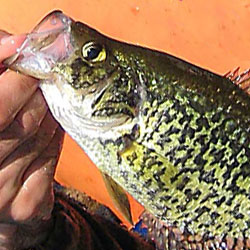
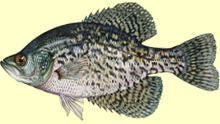
| CRAPPIE (also known as crawpie, calico bass, speckled bass) |
IDENTIFICATION & FEATURES: |
- Depressed forehead
- 7-8 dorsal spines
- Dark spots or blotches on silvery coloured sides
- Dark green to black colour
|
|
HABITAT:
- Found in shallow, warm water bays having abundant growth of aquatic vegetation
- Prefers clear water with sandy and mud bottoms
SPAWNING:
- First spawns at ages 2-4
- Spawns in late spring or early summer
- Eggs hatch in 3-5 days
FOOD:
- aquatic insects, other invertebrates and small fish
ANGLING:
- Takes worms, baitfish, and a variety of artificial lures such as spinners, jigs and flies
- Provides considerable sport on light tackle and fly fishing equipment
|
|
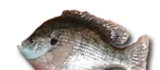
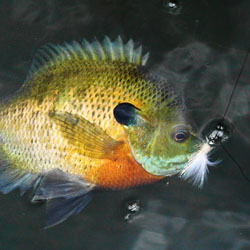
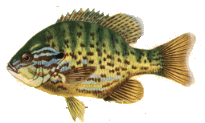
| PUMPKINSEED (also known as sunfish, punky, sun bass, yellow sunfish) |
IDENTIFICATION & FEATURES: |
- Red spot on gill cover
- Cheeks and gill covered with wavy blue streaks
- Rusty coloured blotches on orange-yellow sides and belly
- Back is greenish olive in colour
|
|
HABITAT:
- Found in shallow, sheltered areas of lakes and slow-moving rivers
- Prefers areas with submerged vegetation and brush cover
SPAWNING:
- Reaches maturity in 2 years
- Spawns is late spring to early summer in the shallows of ponds, or slow-moving streams
- Eggs hatch in as little as 3 days
FOOD:
- Insects larvae, snails and small fish
- Food is taken off the bottom and at the surface
ANGLING:
- Easily caught on worms, grasshoppers, small spinners and flies
- Provides considerable sport on light tackle and fly fishing equipment
|
|
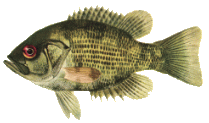
| ROCKBASS (also known as red-eye bass, goggle eyes) |
IDENTIFICATION & FEATURES: |
- Large reddish eyes
- Dark spots forming horizontal rows on olive brown sides
- 11-12 Dorsal spines; 5-7 anal spines
|
|
HABITAT:
- Prefers clear pools and protected rocky areas
- Often associated with smallmouth bass and pumpkinseed
SPAWNING:
- Spawns in late spring to early summer in areas as diverse as swamps and gravel shoals
- Eggs hatch in 3-4 days
FOOD:
- Aquatic insects, crayfish and small fish
ANGLING:
- Readily taken on worms, minnows, flies and small spinners
- Fights hard on light tackle and fly fishing equipment
|
|
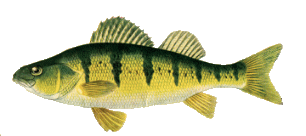
| YELLOW PERCH (also known as lake perch and American perch) |
IDENTIFICATION & FEATURES: |
- Dark green back blending into yellow sides
- 6-8 Broad dark vertical bars present along sides
|
|
HABITAT:
- Yellow perch are adaptable to a variety of habitats
- Prefers open, clear water with aquatic vegetation and a mud, sand or gravel bottom
SPAWNING:
- First spawns at ages 3-4
- Spawns in the spring in lake shallows or tributary rivers
- Eggs hatch in 8-10 days
FOOD:
- Aquatic insects, crayfish and small fish
ANGLING:
- Taken by still-fishing near the bottom with worms or baitfish
- Perch strike lightly and a float may aid in detecting a bite
|
|
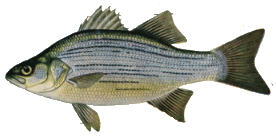
| WHITE BASS (also known as silver bass, white lake-bass) |
IDENTIFICATION & FEATURES: |
- Several rows of dark horizontal stripes
- back is grey in colour, silvery sides and white belly
|
|
HABITAT:
- Prefers clear, moderately deep, cool water in gravel and rock shoals
- Will move into the shallows at night to feed
SPAWNING:
- First spawns at age 3
- Moves into estuaries or onto shoals to spawn in the spring
- Eggs hatch in about 48 hours
FOOD:
- Fish, invertebrates and insects
- Feeds in schools
ANGLING:
- Best caught during the spring in the river mouths
- Spinners and baitfish are most successful
- At night may be taken with surface lures
|
|
|